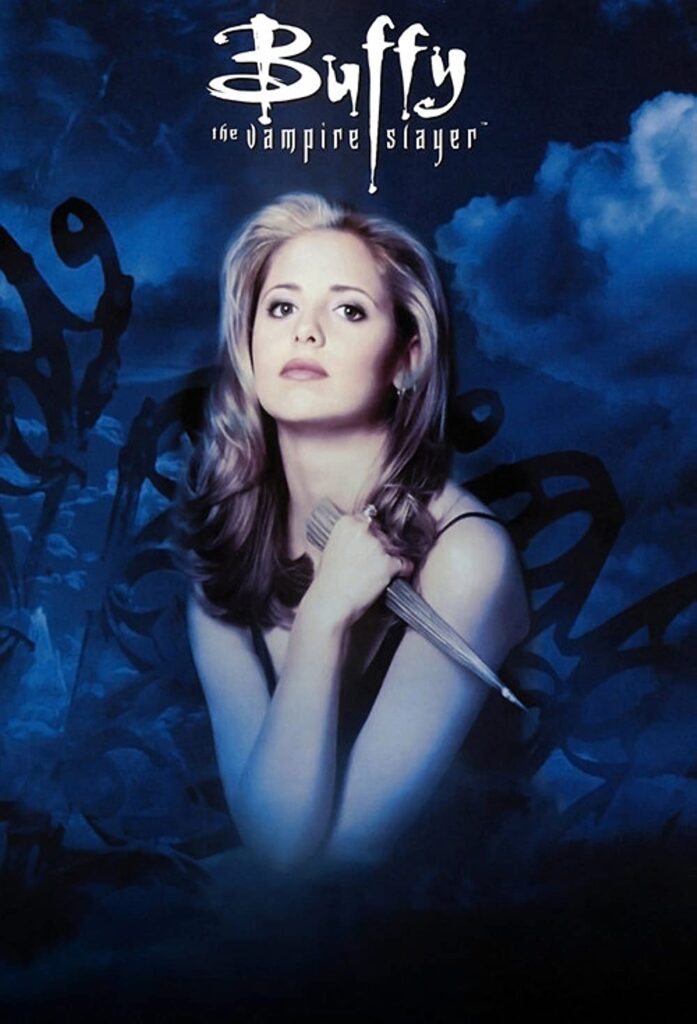
The 1990s was a time of cultural shifts and changing attitudes, particularly in relation to gender and sexuality. The TV shows Buffy the Vampire Slayer, Sabrina the Teenage Witch, and Charmed all emerged as part of a growing trend of female-led, supernatural shows that tackled issues of gender and power. These shows centered around strong, independent female characters who challenged traditional gender roles and stereotypes, while also providing audiences with escapist fantasy and entertainment. Their success demonstrated a desire for more diverse and inclusive representations in media, paving the way for future shows with similar themes.



The New Age movement was based off of the principles of supporting the collective good, prayer, and the power of engaging with the metaphysical. The movement was essentially ultimately co-opted by white and privileged young people who used the free thinking arguments of the New Age movement to have fun and use drugs. That being said, the New Age movement has been proven valuable to many individuals who have followed its various paths. It has brought people together in community, helped them understand themselves better, and helped individuals understand the importance of social justice issues. The legacy of these movements can be seen in the onslaught of self-help and self-discovery books, artistic endeavors (TV and movies) that explore the metaphysical, and the popularity of transcendental meditation, yoga and other spiritual practices.
Marianne Williamson and ‘A Course in Miracles’
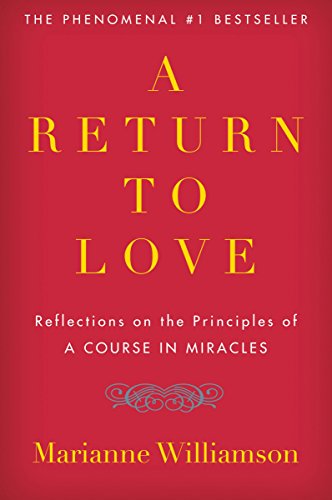
Marianne Williamson’s book “A Return to Love”, published in 1992 is a spiritual text that teaches philosophies of forgiveness and love. The book presents a unique interpretation of Christianity, focusing on the power of the mind to heal and transform the world through the practice of forgiveness. The book challenges readers to let go of fear and ego-based thinking and embrace a worldview of love and unity. The teachings emphasize the importance of inner peace and the interconnectedness of all beings.

The left wing is too cool to even mention God, so Middle America thinks, Well, I guess God’s in the Republican Party.
Marianne Williamson
This quote suggests that the left-wing’s reluctance to embrace spirituality or mention God creates an opening for Republicans to claim a monopoly on religious values. The quote highlights the importance of considering the role of spirituality in politics and the potential impact of ignoring or downplaying it.
Marianne Williamson is now a candidate for the 2024 presidency, though she is not perfect, her message appeals to younger audiences, just as it did in 1991.